Better Science. A Healthier Tomorrow.
Science-driven solutions designed to support healthier aging, everyday performance and long-term vitality.
The ELX Standard
-
SCIENCE-DRIVEN
Research informs where we look and how we formulate.
-
PURPOSEFULLY DEVELOPED
Thoughtful solutions developed around a clear purpose.
-
BUILT FOR LONGEVITY
Everyday solutions designed around healthier aging and long-term wellbeing.
The Science of Skin Longevity
Healthy-looking skin begins with understanding how it changes over time. Explore science-driven approaches designed around skin health, resilience and healthy aging.
ELX Labs
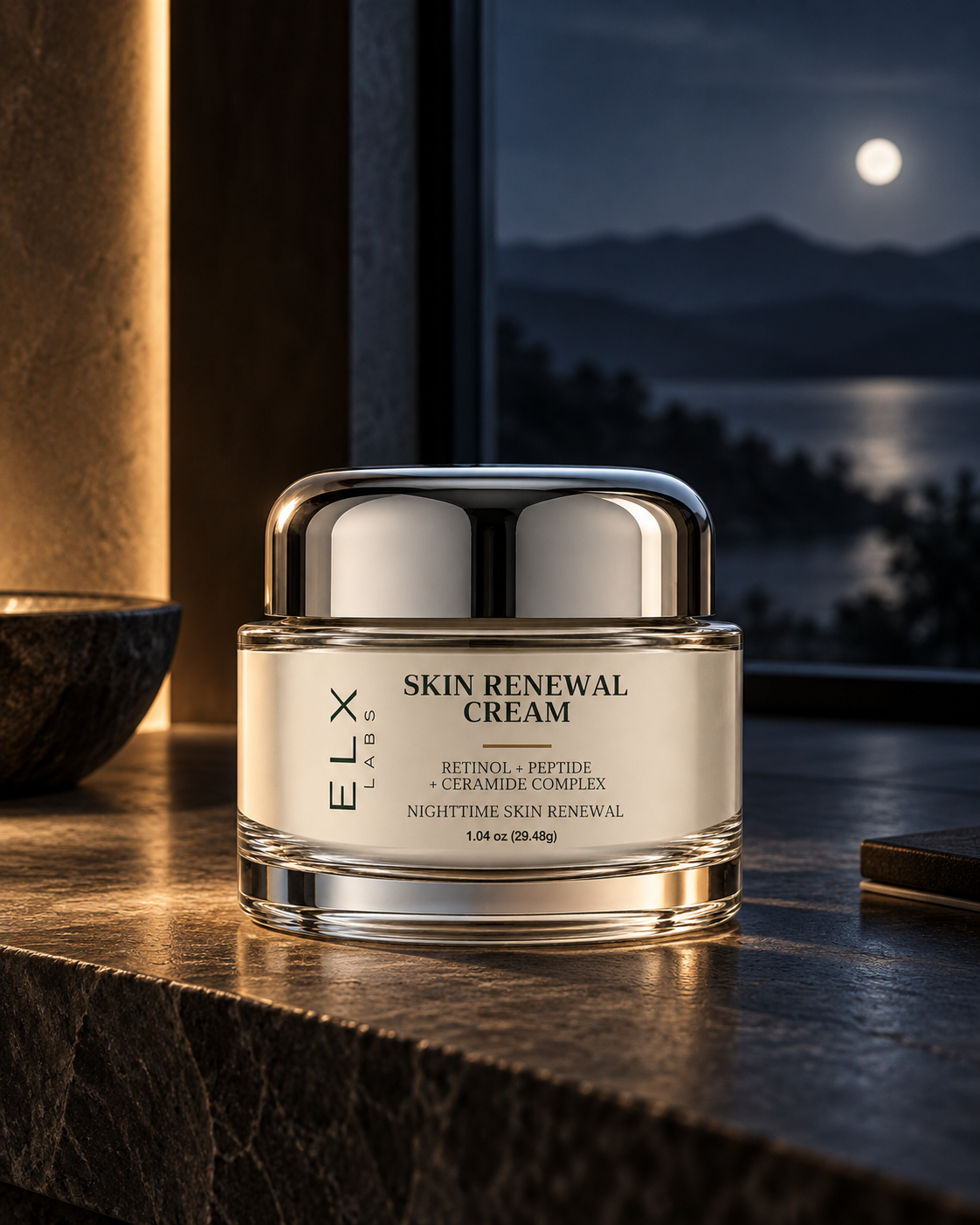
ELX Skin Renewal Cream
Retinol + Peptide + Ceramide Complex
Advanced nighttime skincare designed to support visible skin renewal, hydration and smoother, more resilient-looking skin.
- Helps improve the appearance of fine lines & texture
- Supports skin hydration & barrier resilience
- Retinol + peptides + 5-ceramide complex

Explore ELX
-
Skin & Healthy Aging
Science-driven support for healthier-looking skin at every stage of aging. Explore...
-
Brain & Cognitio
Science-driven support for focus, cognitive performance and healthy brain aging.
-
Supplements
Targeted nutritional support, backed by a science-first approach. Explore ELX nutritional...
Science, Translated Into Everyday Health.
We explore emerging research across healthy aging, human performance and wellness — then turn meaningful insights into thoughtfully developed products and practical knowledge.
Healthy Aging, From Every Angle
-
-
-
KNOWLEDGE
Explore the ScienceEmerging research translated into practical insights for healthier aging.
From the ELX Journal
-
Scientists Are Learning How to Make Aging Skin ...
New research is exploring whether aging skin can be instructed to rebuild itself — not simply treated at the surface. Here’s what scientists found, and what it could mean for...
Scientists Are Learning How to Make Aging Skin ...
New research is exploring whether aging skin can be instructed to rebuild itself — not simply treated at the surface. Here’s what scientists found, and what it could mean for...